
Blogs
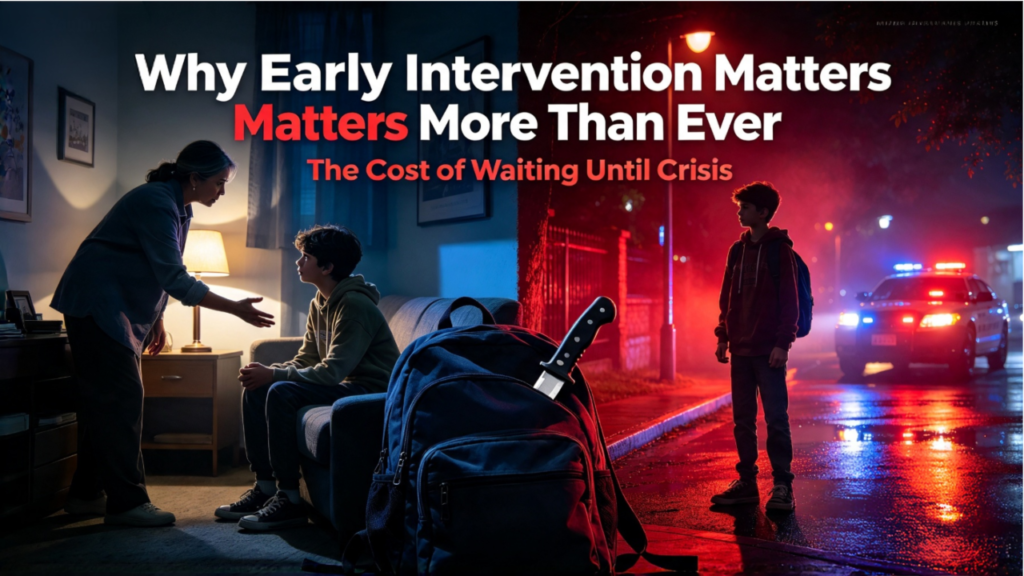
Prevention is not an optional extra
When a child is excluded from school, becomes involved in violence or is exploited by others, the conversation often turns to what should happen next. What intervention is needed? Which agency is responsible? How can we reduce the immediate risk? Those questions matter. But we should also be asking what could have happened six months, a year or even several years earlier.
At On The Verge UK CIC, we believe early intervention means noticing concerns while there is still time to build relationships, understand the circumstances and strengthen protective factors. It does not mean labelling children as future offenders. It means responding thoughtfully to what children, families and professionals are telling us before problems escalate.
The warning signs are not always obvious
A young person who starts missing school may be experiencing anxiety, bullying, unmet learning needs, difficulties at home or pressure from peers. A child who becomes angry or withdrawn may be communicating distress without having the language to explain it. Someone who suddenly has new possessions, older associates or unusual online contacts may be at risk of exploitation.
No single sign proves that a child is being harmed. That is why professional curiosity matters. We need to look beyond isolated incidents and consider patterns, relationships, places and changes over time. The question should not simply be “What has this child done?” but also “What might be happening around this child?”
Why waiting can make intervention harder
As concerns grow, the consequences may affect attendance, learning, family relationships, confidence and safety. Children may become less trusting of adults and more reliant on peers who appear to offer protection, money or belonging. Families can feel judged or exhausted, while schools and services are asked to respond under increasing pressure.
The cost of delay is not only financial. It can include missed education, damaged relationships, greater safeguarding risks and harm to other people. Where offences occur, accountability and support must sit together. Understanding the reasons behind behaviour does not remove responsibility for choices or their impact.
What effective early intervention looks like
Effective prevention begins with consistent adults who listen, notice changes and follow through. It includes age-appropriate education about grooming, peer influence, weapons, online harm and consequences. It includes mentoring that builds trust and practical problem-solving skills. It also includes support for parents and carers, who may be trying to manage risks they cannot control on their own.
Schools, families, youth services, safeguarding teams and community organisations all see different parts of a child’s life. When they share concerns appropriately and work together, the response is more likely to address the whole picture. On The Verge uses a triangular approach that brings together young people, parents and carers, and professionals rather than expecting one group to solve the problem alone.
What we should measure
Prevention cannot be judged only by the number of workshops delivered. We should look at whether young people feel safer, understand risk, know whom to approach for help, improve their engagement and build healthier relationships. Attendance, school feedback, family perspectives and young people’s own accounts can help us understand progress.
Not every outcome will be immediate or easy to attribute to one programme. Honest evaluation means recognising what has improved, what remains difficult and where further support is needed. The purpose is to learn and improve practice, not simply to produce impressive numbers.
A different question for decision-makers
Instead of asking only how much a prevention programme costs, we should ask what happens when we do not invest in one. That does not mean every crisis can be prevented. It means prevention deserves serious attention alongside enforcement, crisis response and rehabilitation.
At On The Verge, our starting point is straightforward: believe in a young person’s potential, help them learn about the pressures and choices they face, and give them opportunities to grow. Earlier support will not solve every problem, but waiting until harm occurs should never be the default.
Find out more
Explore our early-intervention programmes and discuss partnership opportunities. Visit www.ontheverge.uk to find out more or contact the team.
On The Verge UK CIC | BELIEVE • LEARN • GROW